Fit Fellows, let’s be honest. We live in the age of data. You probably have a device strapped to your wrist right now that knows more about your resting heart rate than your doctor does. You’ve got apps tracking your steps, logging your reps, and analyzing your sleep cycles.
But here’s the crucial question: Is all that tech actually making you fitter, or is it just creating “data noise” that makes you feel overwhelmed and guilty?
For too many guys, technology becomes a passive observer, merely collecting numbers they ignore, or worse, stressing them out when they don’t hit 10,000 steps. This isn’t about shaming the tech; it’s about shaming the strategy. We need to stop playing guessing games with our goals and start using these powerful tools as intended: as high-precision navigators to guide our progress.
This shift—from tracking everything to tracking the right things—is the difference between grinding uphill aimlessly and optimizing your path straight to the summit.
The Power of Objective Feedback
Why is smart tracking a total game-changer for sustained progress? Because fitness success is built on two things: consistency and adaptation. And technology provides the objective feedback necessary for both.
- It Removes the Guesswork: Your body is a liar sometimes. You might feel like you had a great workout, but your log shows you lifted the same weight for the third week running. You might feel tired, but your HRV (Heart Rate Variability) data confirms you need a rest day. Technology replaces subjective feeling with objective reality, allowing you to make surgical adjustments to your routine.
- It Forces Consistency: Logging your workouts, tracking your miles, or documenting your nutrition keeps you accountable to the data. It’s hard to ignore a skipped session when your streak disappears, or a stalled progression when the spreadsheet doesn’t move.
- It Highlights Success: When you see a tangible line trending up (in strength) or down (in running pace or body weight), it provides a powerful, immediate reinforcement loop. This positive feedback fuels motivation and makes the whole journey stickier.
Getting Ready: Defining Your Metrics
Before you drown in a sea of metrics, remember the core principle: Your goal defines what you track. If you’re tracking steps but your goal is muscle gain, you’re looking at the wrong map.
Take a moment to align your tech usage with your SMART goals.
| If Your Goal Is… | Primary Metrics to Track | Why It Matters |
| Strength/Muscle Gain | Lift Volume (Sets x Reps x Weight), Protein Intake, Sleep Quality/Duration. | Progression is key. Logging volume ensures you apply progressive overload and sufficient fueling for repair. |
| Endurance/Running | Pace, Distance, Heart Rate Zones (for intensity), Weekly Mileage Accumulation. | Consistency and intensity control prevent injury and optimize training stimulus. |
| Weight Loss/Body Recomp | Caloric Intake, Daily/Weekly Weight Trend, Weekly Protein intake, Consistency of Activity. | Calorie balance is paramount. Tracking input ensures you hit your target deficit or surplus accurately. |
The Tech Toolkit: Using the Right Tools for the Job
You don’t need every gadget on the market, but integrating a few core tools intelligently can dramatically sharpen your focus.
1. The Power of Progression Logging (The Software)
For lifting, endurance, and general habit building, your logging app is the most powerful tool you own.
- For Strength: Use apps (like Strong, Jefit, or simple shared Google Sheets) to log every set, rep, and weight. When you walk into the gym, you should know exactly what you did last week so you can beat it today. You can’t progress what you don’t measure.
- For Endurance: Apps like Strava or Garmin/Wahoo platforms track routes, paces, and elevation. Use the data not just to show off, but to compare segments and ensure your easy runs are easy and your hard runs are hard.
2. Fueling the Engine (The Nutrition Apps)
Nutrition is often the weakest link. Apps like MyFitnessPal, Cronometer, or specialized tracking tools remove the ambiguity from eating.
- Smart Tracking: Don’t just track calories. Focus on macronutrients, especially protein. Technology makes it easy to visualize if you are hitting the necessary 0.8-1.0g per pound of body weight required for muscle repair and recovery.
3. Optimizing the Foundation (The Hardware)
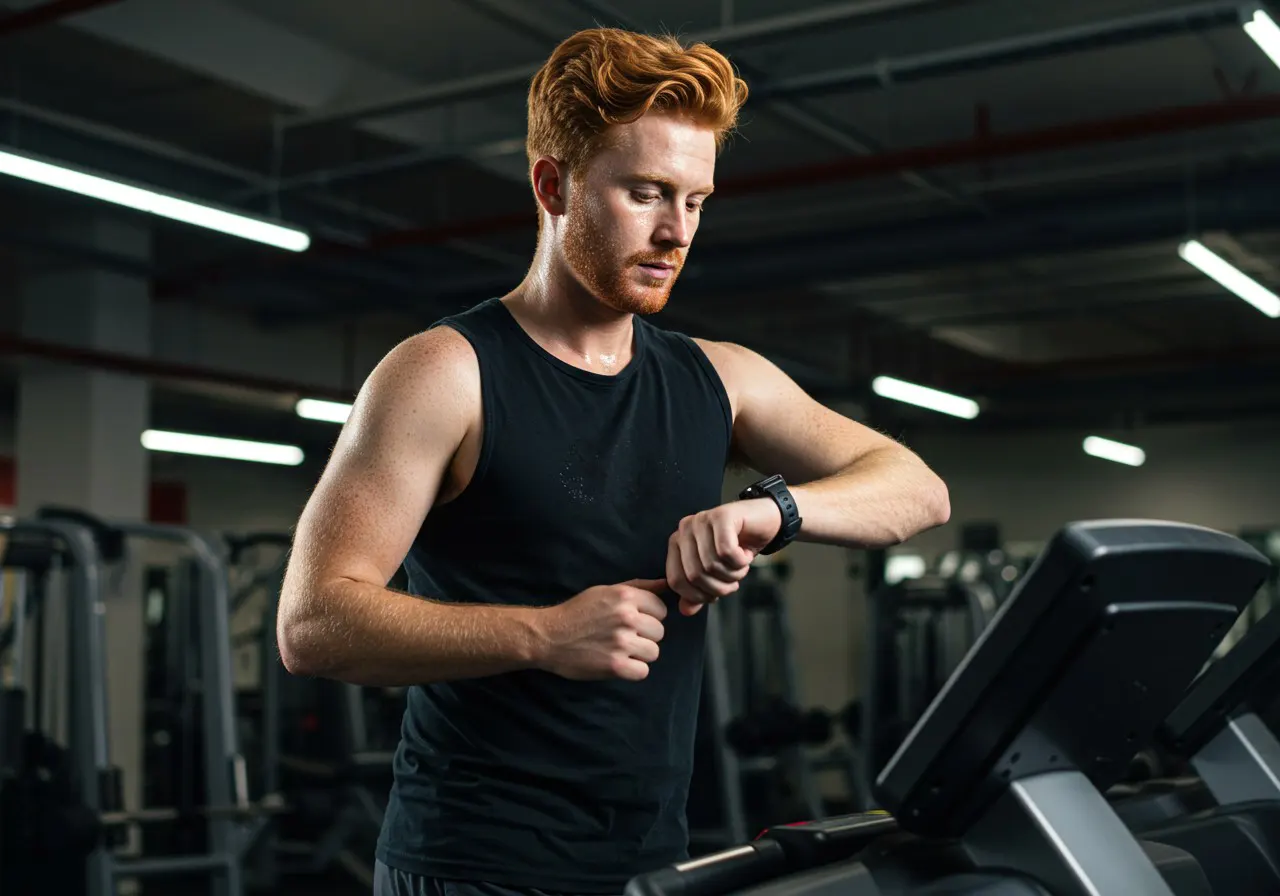
Your wearable device (smartwatch, ring) is crucial for the “behind the scenes” metrics.
- Sleep and Recovery: The magic happens when you’re not working out. Use sleep tracking features to monitor duration and quality. More advanced trackers offer Heart Rate Variability (HRV) data. A lower-than-normal HRV score often signals poor recovery, high stress, or impending sickness. Using this data allows you to pull back on intensity before you crash.
- Active Monitoring: Use heart rate monitoring to ensure you stay within specific training zones. If you’re meant to be doing a Zone 2 cardio session, keeping an eye on your heart rate prevents you from turning an easy recovery session into a stress-inducing grind.
Track Smarter, Not Harder: The Strategy
If you just look at the raw data, you’ll feel lost. To track smarter, you need to turn data into actionable intelligence.
1. Focus on the Feedback Loop
Instead of passively reviewing data, create an If/Then statement based on your tech feedback:
- IF my average sleep duration has been under 6 hours this week, THEN I must reschedule my early morning heavy lift to the evening or reduce the load.
- IF my deadlift has plateaued for two weeks, THEN I must check my nutrition log to ensure I’m hitting my protein and calorie targets.
- IF my weekly mileage dropped because I missed a run (see: No Time? No Excuse), THEN I need to schedule a catch-up session immediately rather than waiting for next week.
2. Prioritize Consistency Over Complexity
If setting up your macro tracking takes 30 minutes every night, you will quit. If your workout log requires 20 taps to record a set, you will skip logging the accessory work.
Action: Choose the simplest tools that capture your essential metrics. A simple notepad or an intuitive app is always superior to a complex one you won’t use consistently. Consistency in tracking is more important than the absolute precision of the data.
3. Benchmarks, Not Benchmarks
Technology can tempt us into constantly comparing ourselves to others—whether it’s friends on Strava or Instagram influencers.
Smarter Approach: Use your tech to compete only with yesterday’s version of yourself. Your metrics are for internal reference, allowing you to spot personal trends and measure your own progress trajectory.
Conclusion: Optimizing Your Ascent
Leveraging technology isn’t about becoming a robot governed by metrics; it’s about giving yourself the best possible tools for self-correction. Your goals are the destination, your schedule is the route, and your community provides the support. Technology? It’s the highly accurate GPS system, telling you if you’ve taken a wrong turn and helping you adjust your speed, load, or rest cycle instantly.
Stop guessing. Start measuring, analyzing, and applying those findings. Use tech to get objective, stay accountable, and continuously optimize your performance. It’s time to move past just collecting data and start using it to build the strongest version of yourself. Now go make some informed adjustments and track your way to success.